Alexandre Cabanel, the Painter of Venus
On the French painter of the most talked-about Venus of 1863, and the fallen angel who came before her.
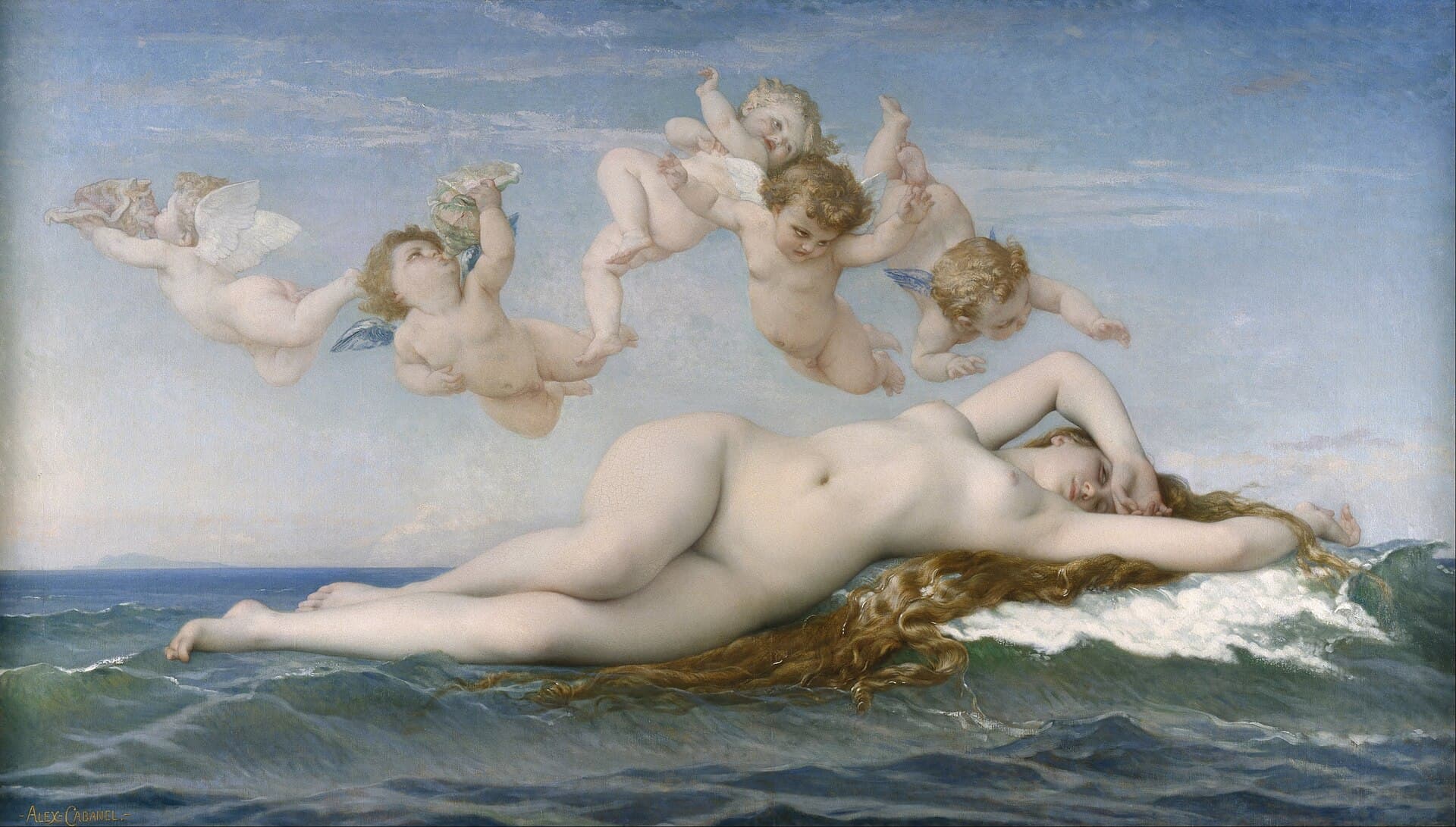
Alexandre Cabanel was born in Montpellier in 1823 and became one of the most powerful painters in nineteenth-century France. He went to Paris as a teenager to study at the École des Beaux-Arts, and in 1845 the Prix de Rome sent him to Italy, where he spent the next years with the old masters, finding his own hand.
What he found was polish. Cabanel painted skin like porcelain, fabric you could almost touch, and stories from myth, the Bible and history staged like theatre. It made him the favourite of an emperor and of rich collectors, and later the easiest target for every painter who wanted to break the rules.
The angel who cried
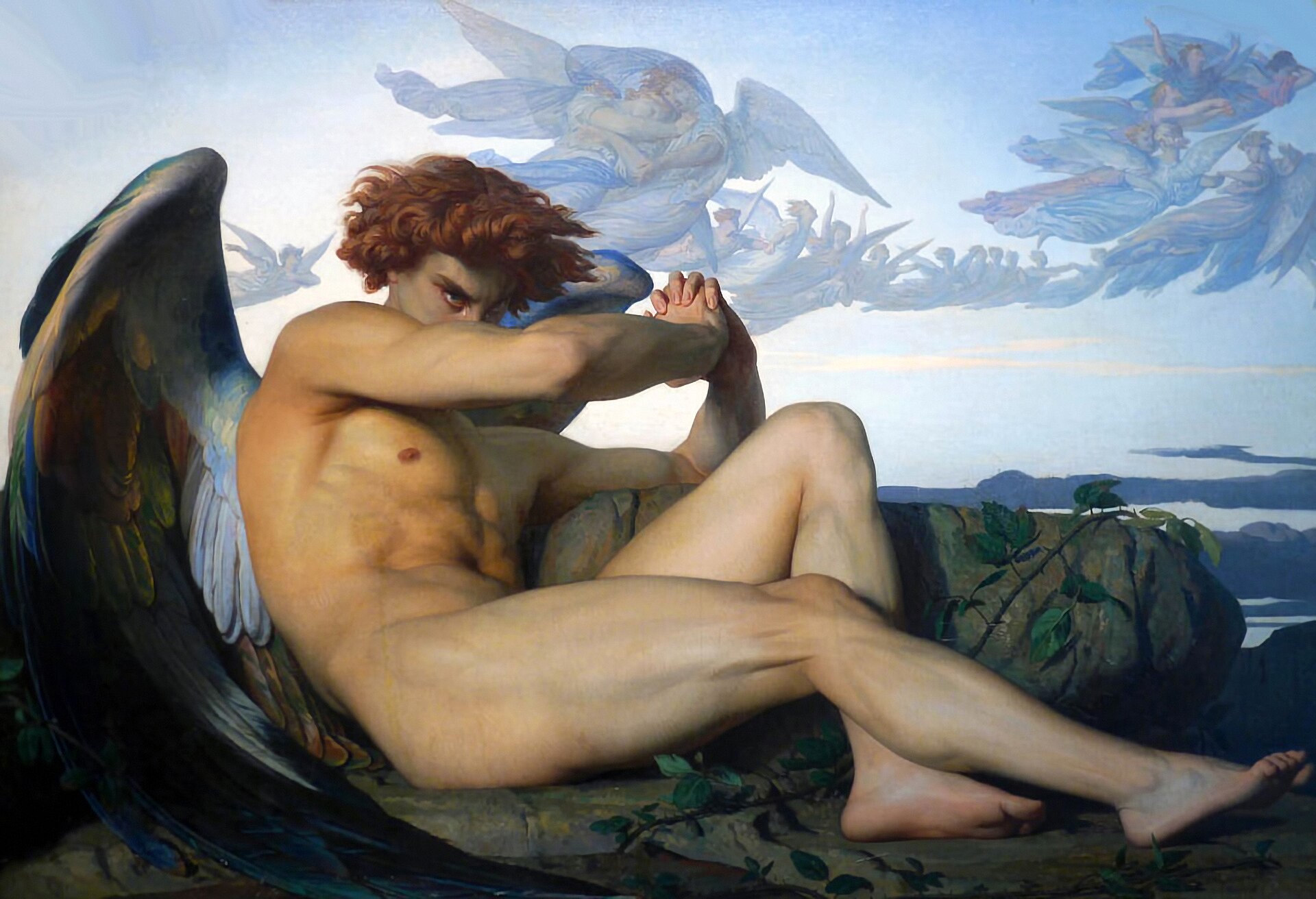
He painted Fallen Angel in Rome when he was twenty-four. Lucifer, just thrown out of heaven, hides half his face behind his arms. His eyes are full of rage, and in one of them there is a single tear. The painting is in the Musée Fabre in Montpellier, his home town, and it is still the one most people find first.
Venus, 1863
The cover of this post is The Birth of Venus, the hit of the Salon of 1863. Napoleon III bought it for himself. The same year, Manet's Le Déjeuner sur l'herbe was laughed at in the Salon des Refusés, and the two have been compared ever since: the smooth, safe goddess and the rough, modern nude. Émile Zola mocked Cabanel's Venus as a goddess made of pink and white almond paste. The public loved her anyway.
Echo
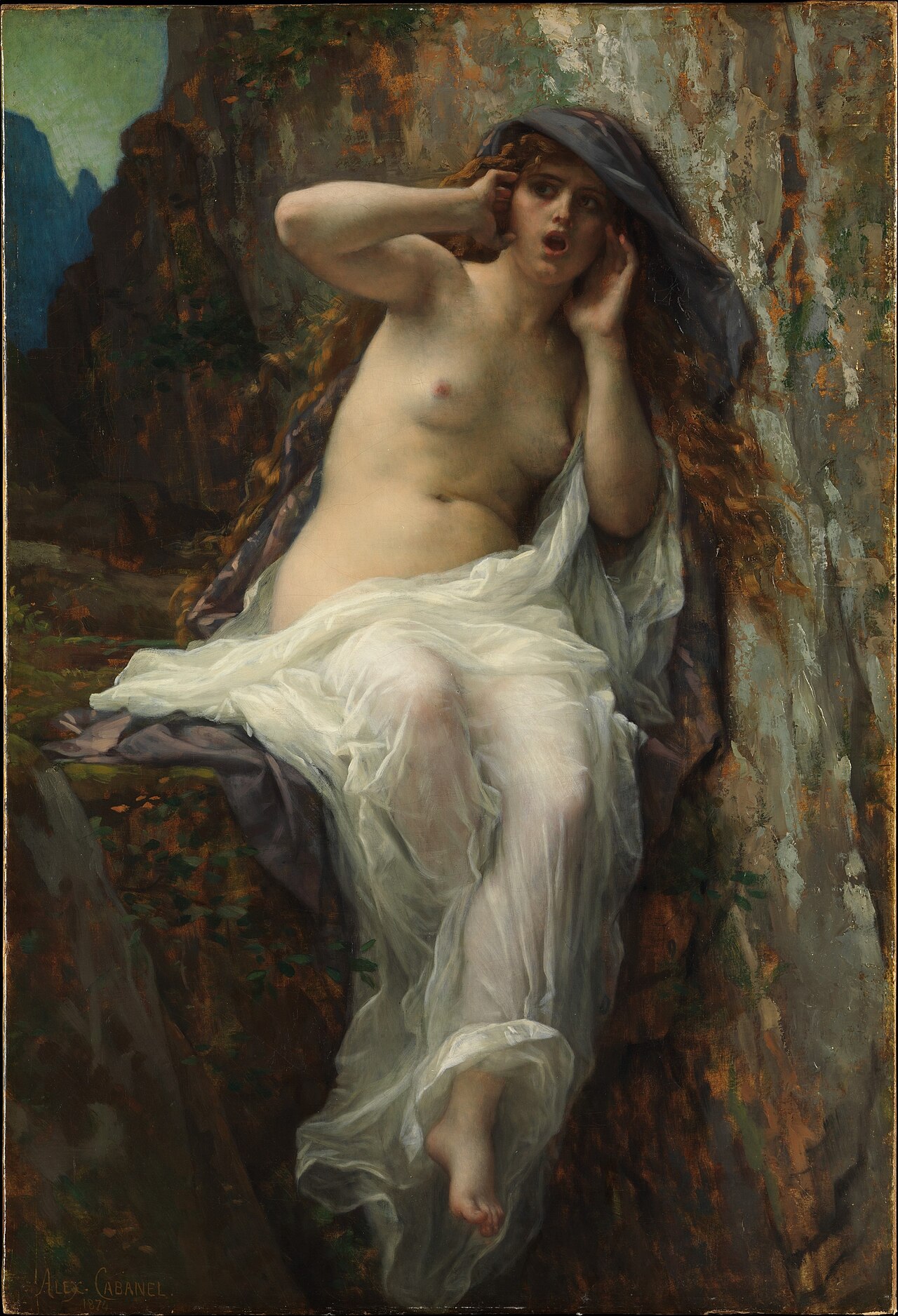
Cabanel came back to myth again and again. Echo (1874) is the nymph who was cursed to repeat only the last words she hears.
It is a tall, narrow canvas, and almost everything happens in her face and her hands. It hangs in the Metropolitan Museum of Art in New York.
The portraits
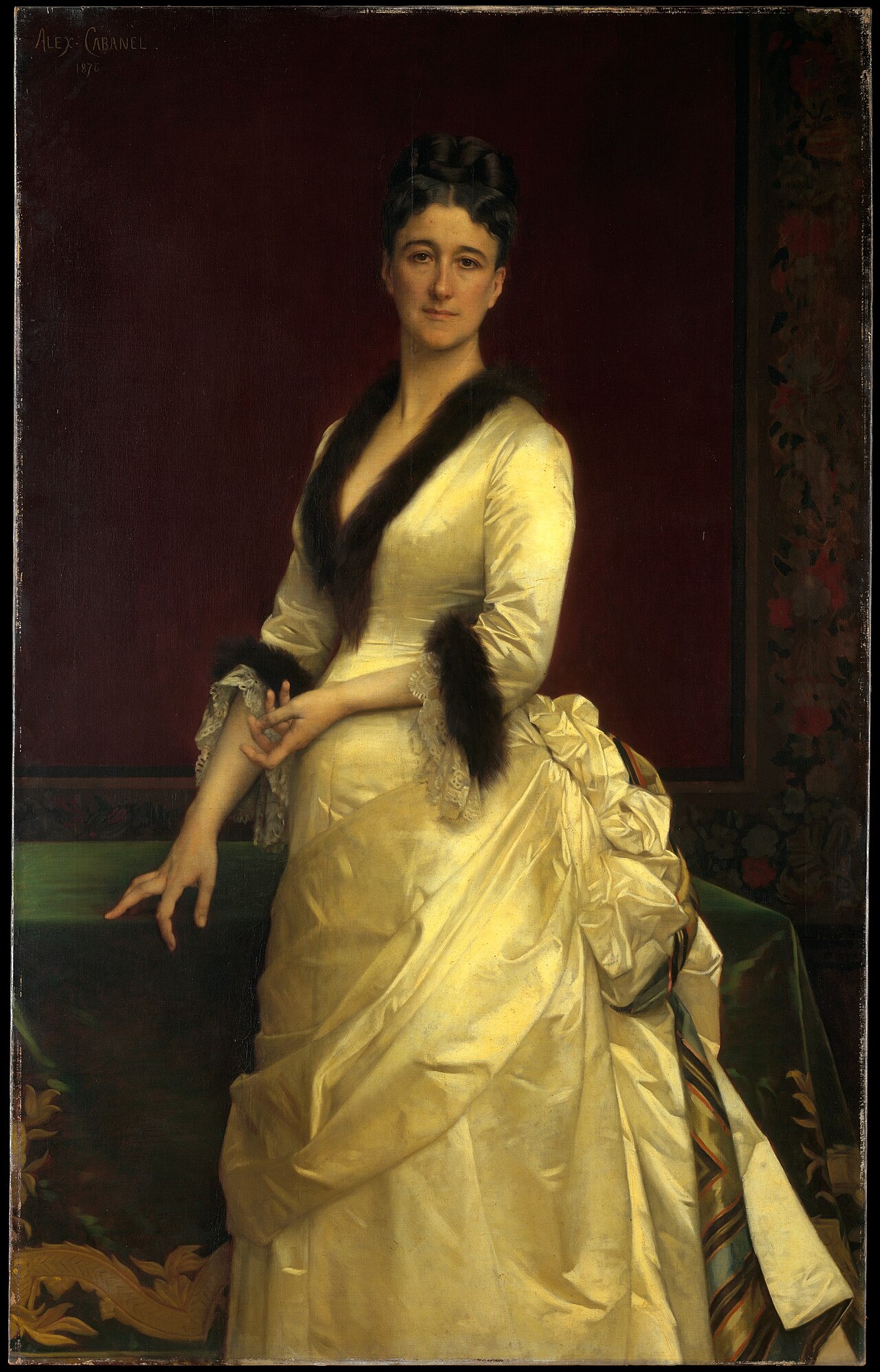
Portraits paid the bills. Aristocrats and rich Americans came to sit for him, and he gave them the same finish he gave his goddesses.
This is Catharine Lorillard Wolfe, painted in 1876. She was a New York collector who left her paintings to the Metropolitan Museum when she died in 1887, and this portrait went with them.
Phèdre
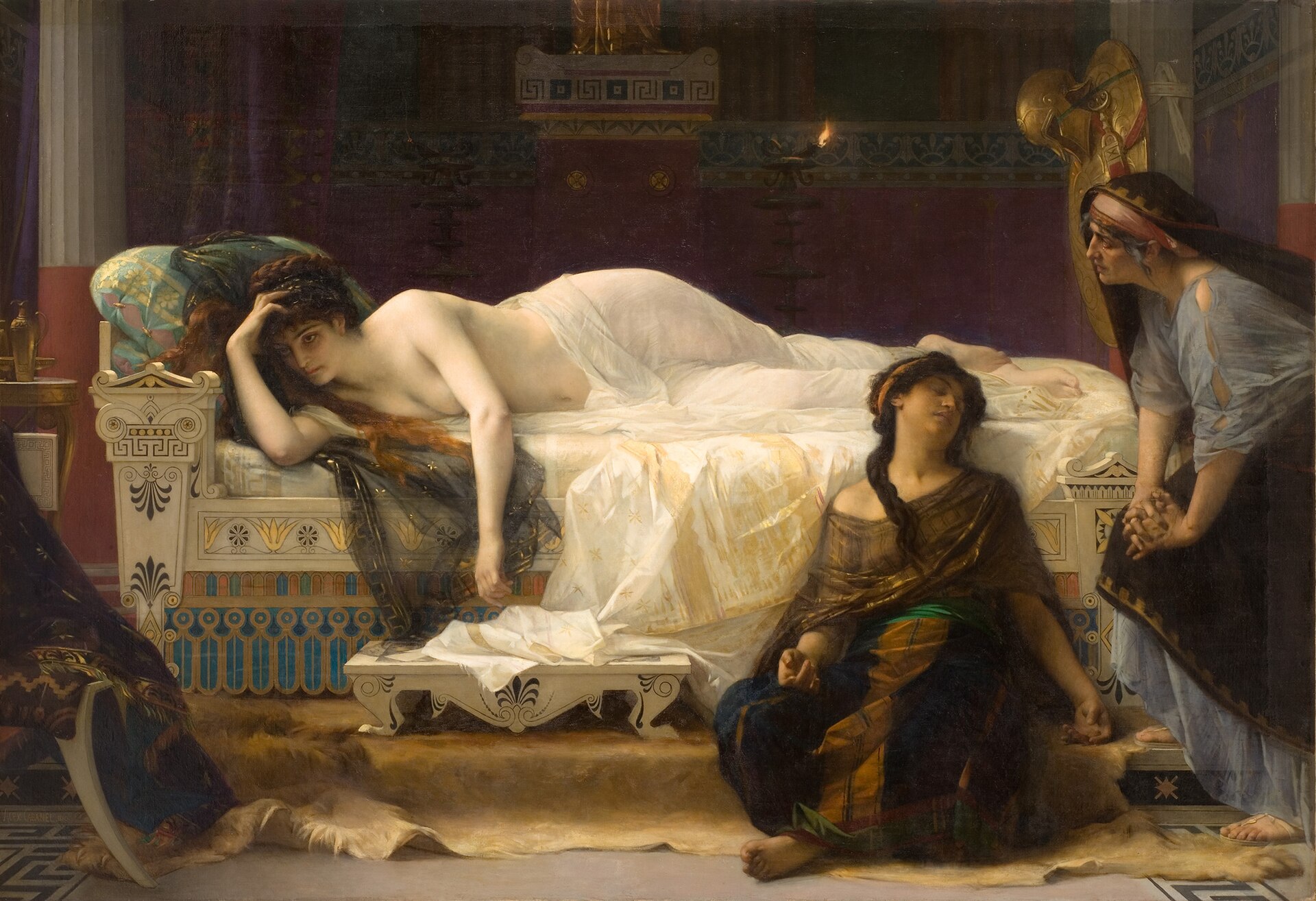
Phèdre (1880) is Racine's tragic queen, lying on her bed, sick with a love she can't confess, while her servants watch over her. It is another Musée Fabre painting, and one of his best: cold light, white sheets, and a room that feels like it is waiting for something bad to happen.
Cleopatra
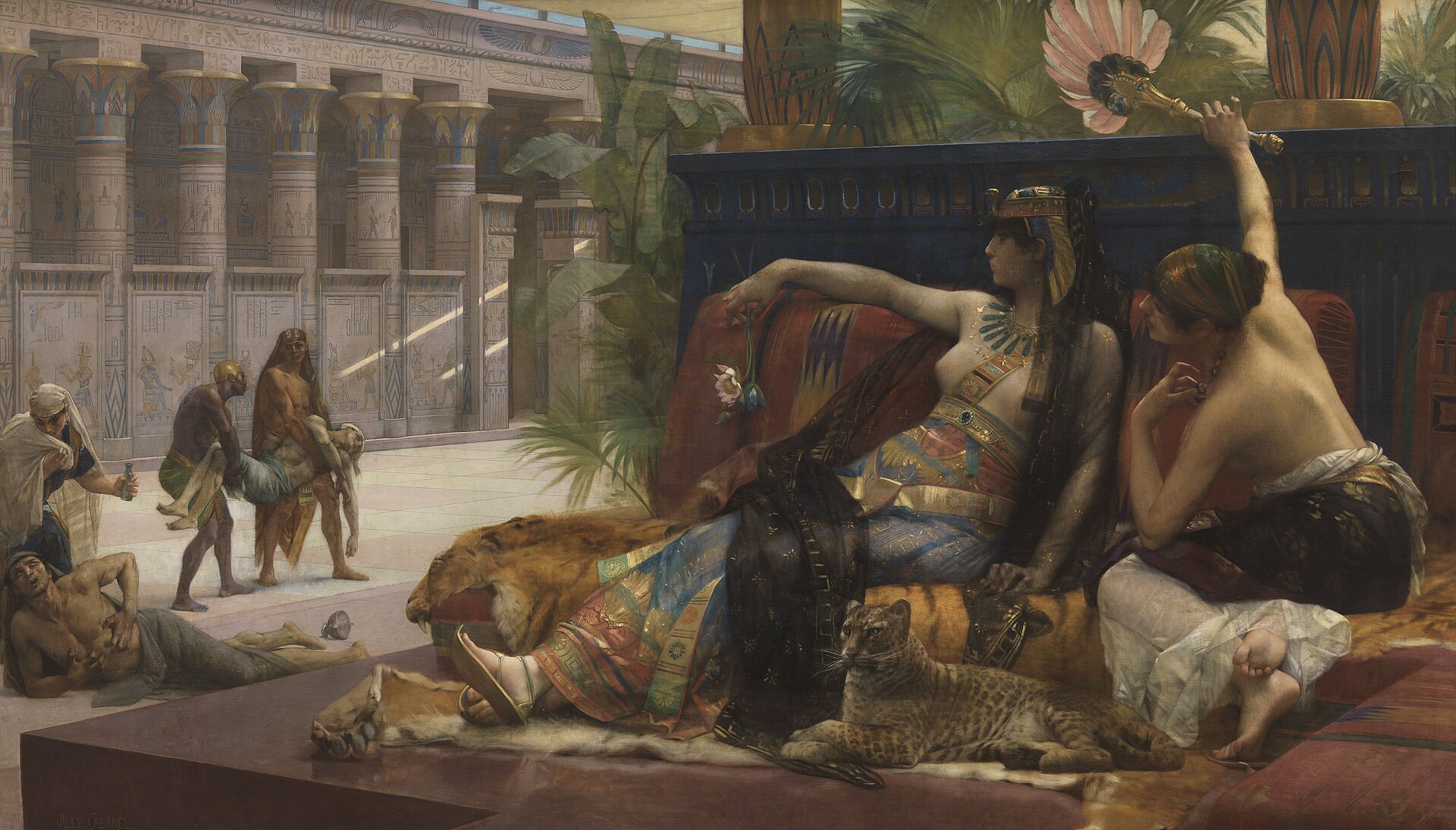
Two years before he died, he painted Cleopatra Testing Poisons on Condemned Prisoners. The queen lounges, calm and bored, while the men in front of her die. It is in the Royal Museum of Fine Arts in Antwerp.
After
Cabanel died in Paris in 1889. Within a few decades the Impressionists had won, and his name became shorthand for everything stiff and official about the Salon. Montpellier gave him a big retrospective in 2010, and people have started to look again. Whatever you think of his taste, the hand was never in doubt.