Zdzisław Beksiński, Photographing Dreams
The Polish painter who never titled his pictures and wanted to paint as if he were photographing dreams.
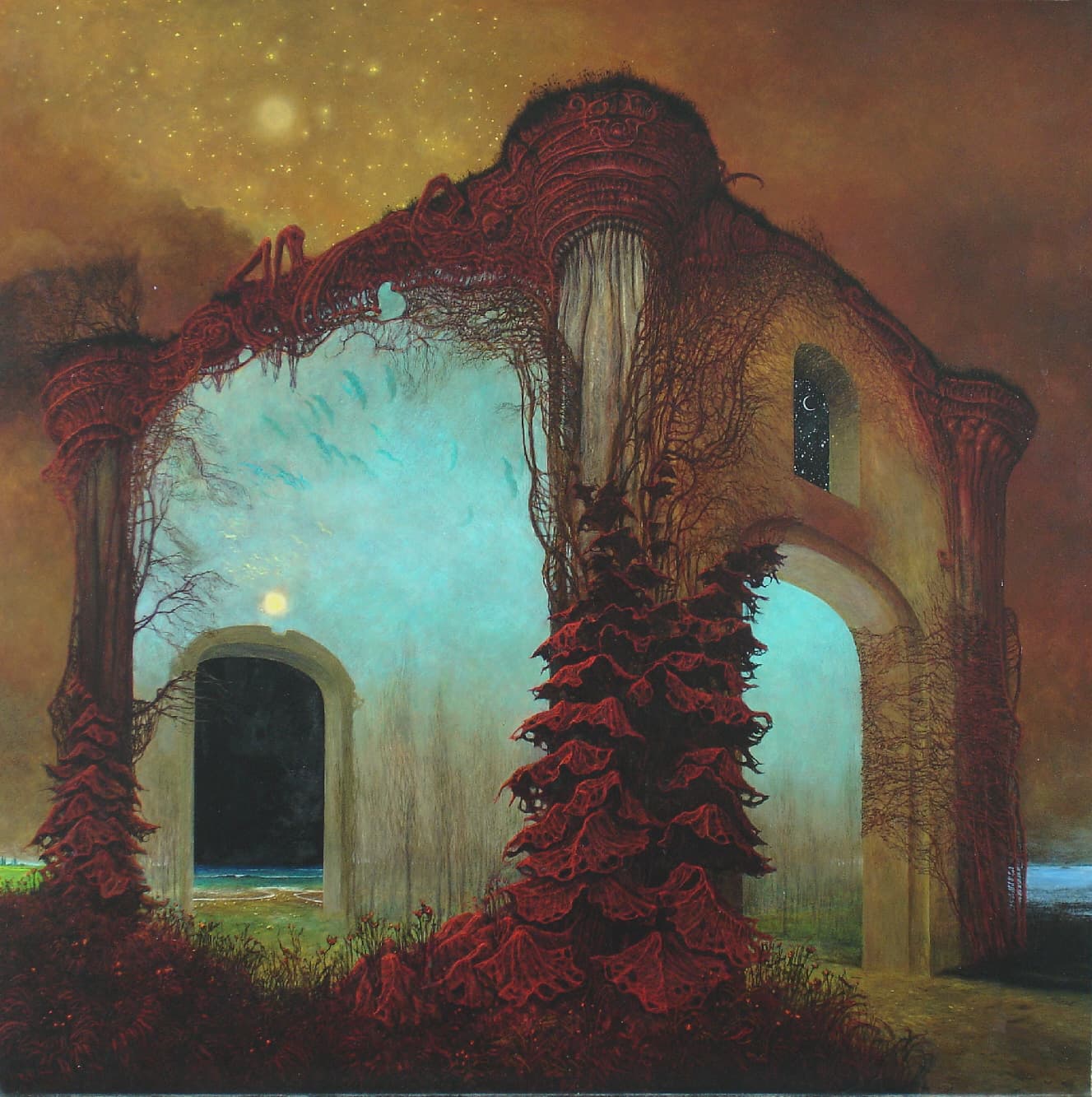
Zdzisław Beksiński painted some of the most unsettling pictures of the twentieth century: ruined cathedrals, figures wrapped like mummies, deserts under burning orange skies. He gave them no titles and refused to explain them. He said he wanted to paint as if he were photographing dreams.
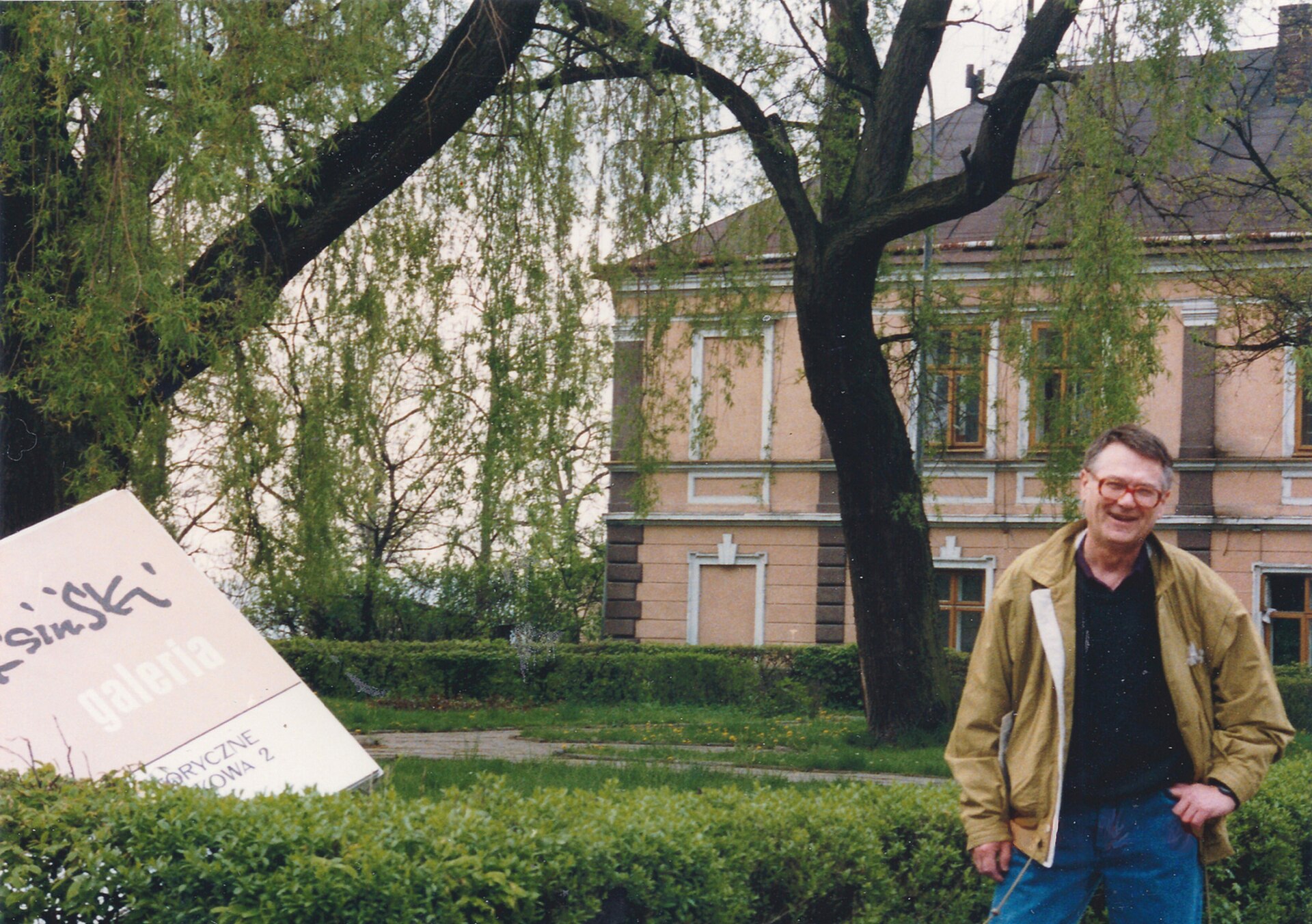
Sanok
He was born in 1929 in Sanok, a small town in the south-east of Poland, and the town stayed at the centre of his life. He studied architecture in Kraków and worked on building sites for a few years, a job he hated.
In the mid-1950s he moved back home and started making art.
The camera first
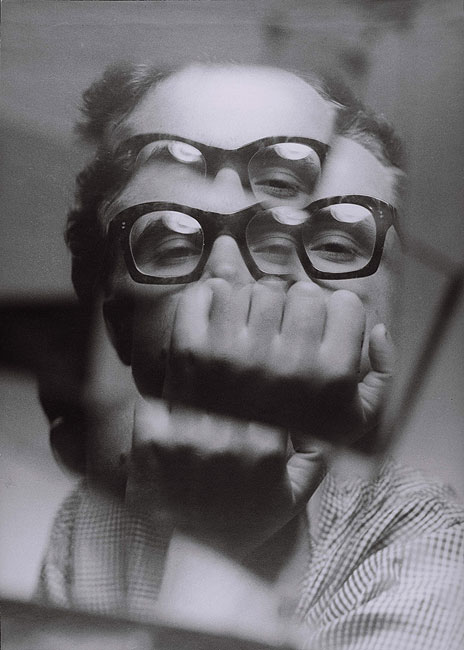
Before he painted, Beksiński photographed. His pictures from the 1950s were staged, close and uncomfortable: faces pushed out of shape, bodies tied with string, layered self-portraits like this one.
By the end of the decade he had put the camera down and moved on to sculpture.
Plaster, metal and ink
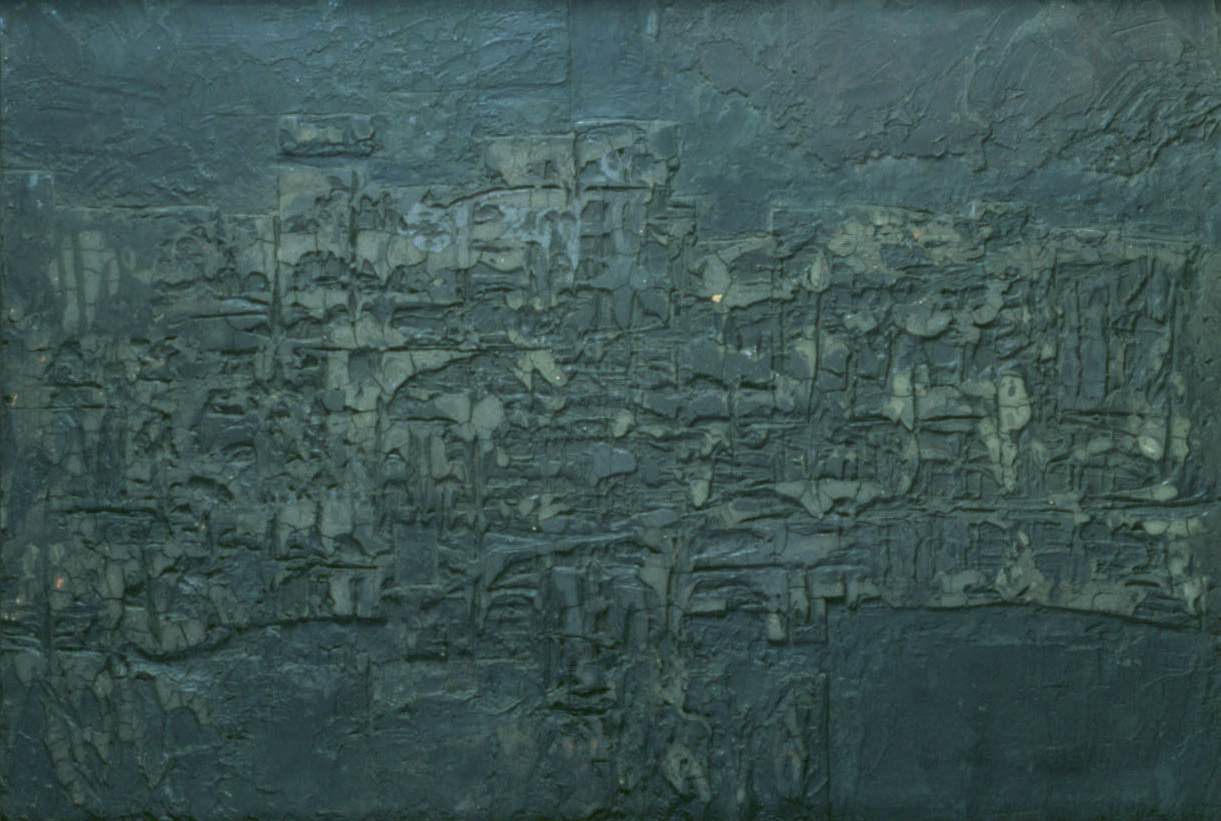
Next came reliefs and sculptures in plaster, wire and sheet metal, and abstract panels like this relief from 1957.
The drawings
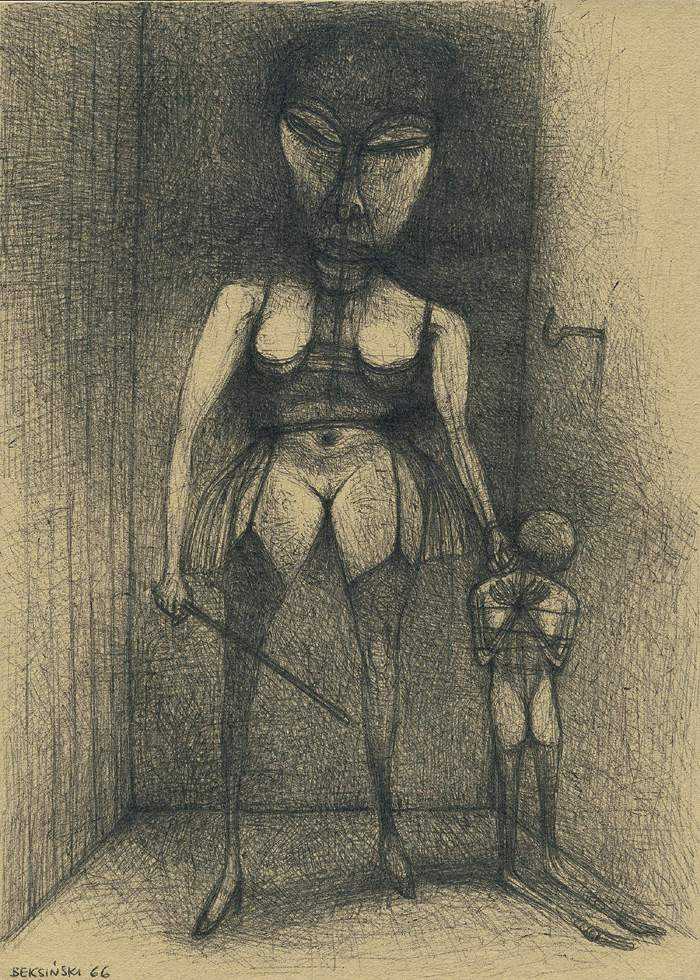
Through the 1960s he drew constantly in ink and pencil: thin, stretched figures, cramped rooms, bodies that look half built.
A show in Warsaw in 1964 made his name.
Photographing dreams
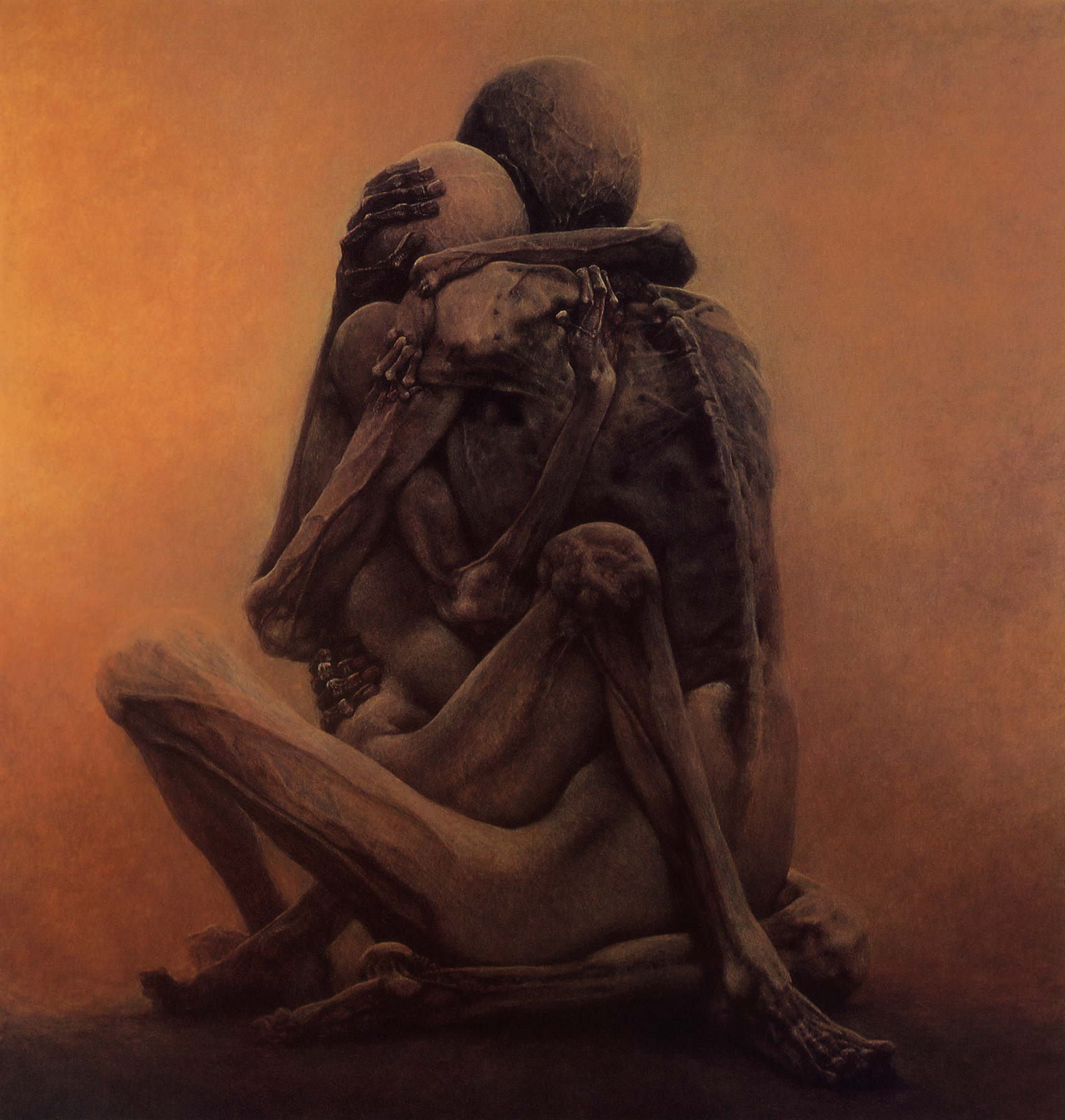
From the late 1960s he painted the pictures he is known for, in oil on hardboard panels he prepared himself, usually with classical music playing loud. He never titled them. The letters and numbers you see in catalogues are just labels.
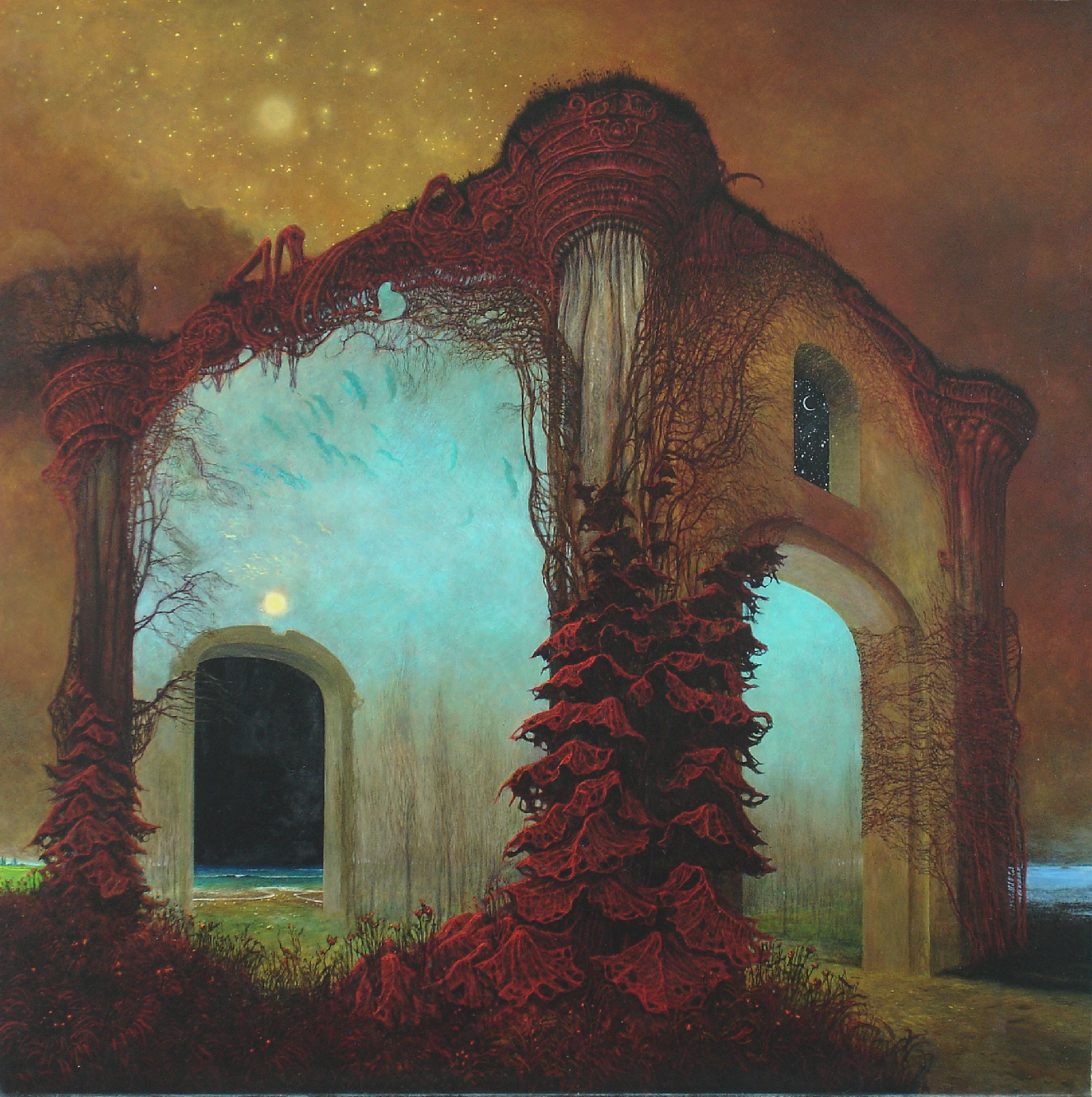
He didn't want them read as symbols either. When people asked what a painting meant, he said he didn't know, and wasn't interested in what others thought it meant.
Warsaw
In 1977 he moved to Warsaw with his wife Zofia and their son Tomasz. Before leaving Sanok he burned a pile of his own paintings in the garden, ones he thought too personal or not good enough.
In the 1980s Piotr Dmochowski, a Polish lawyer living in Paris, became his dealer and brought his work to France.
The quiet years
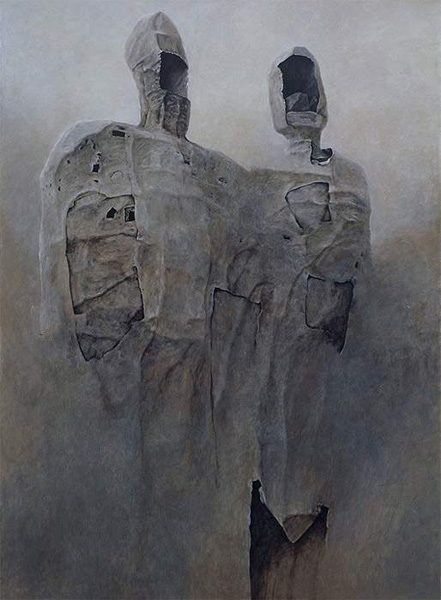
His later paintings grew calmer and greyer: crosses, heads, pairs of figures standing close together, like this king and queen from 1993.
The computer
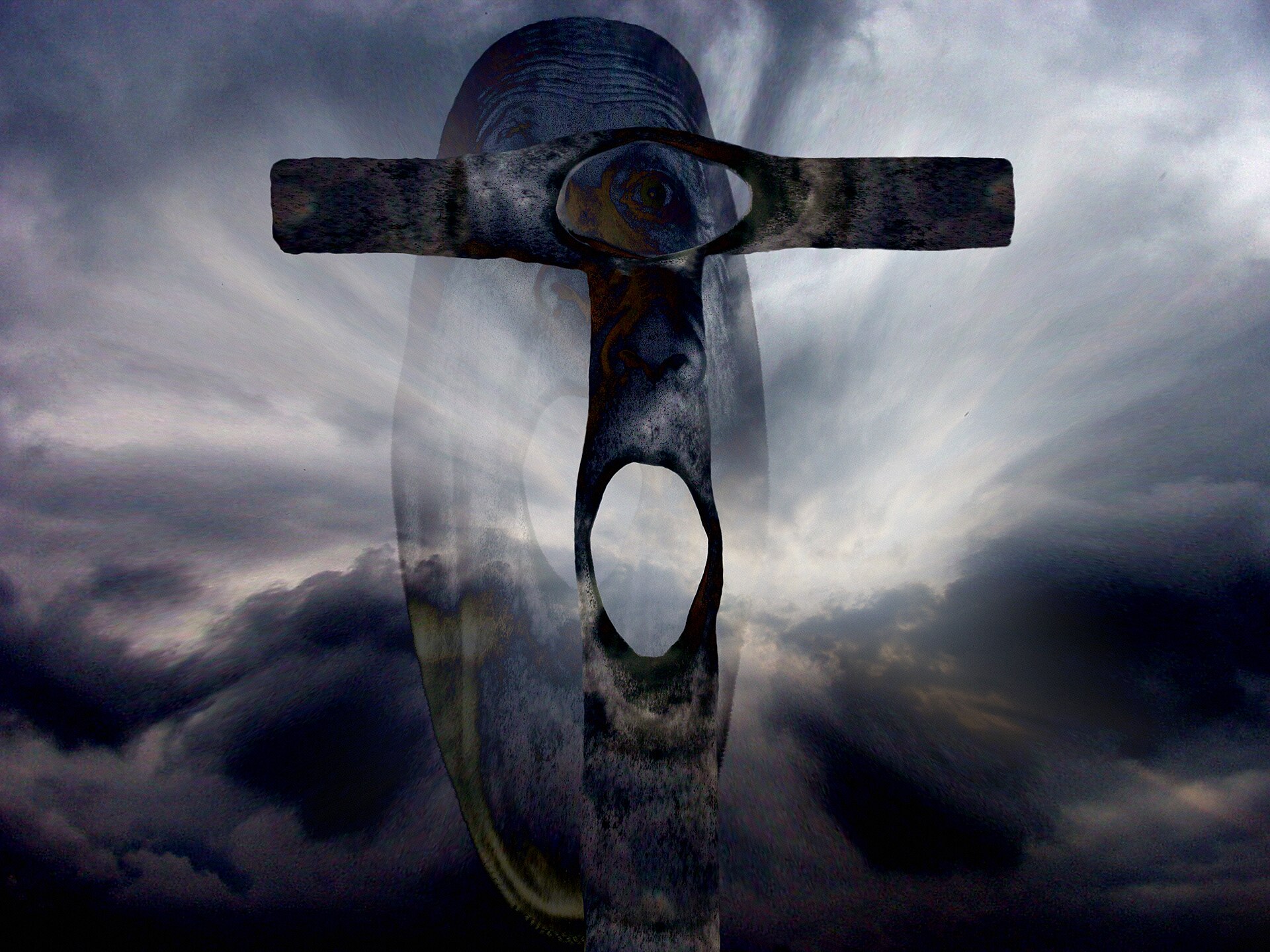
In his last years he turned to the computer and made photomontages and digital pictures on screen.
After
Those years were hard. Zofia died in 1998, and Tomasz took his own life on Christmas Eve 1999. In February 2005, three days before his 76th birthday, Beksiński was killed in his Warsaw flat.
He left his work to the Historical Museum in Sanok. Much of it now hangs in the museum's Beksiński gallery at Sanok Castle, and he is buried in the town's cemetery.
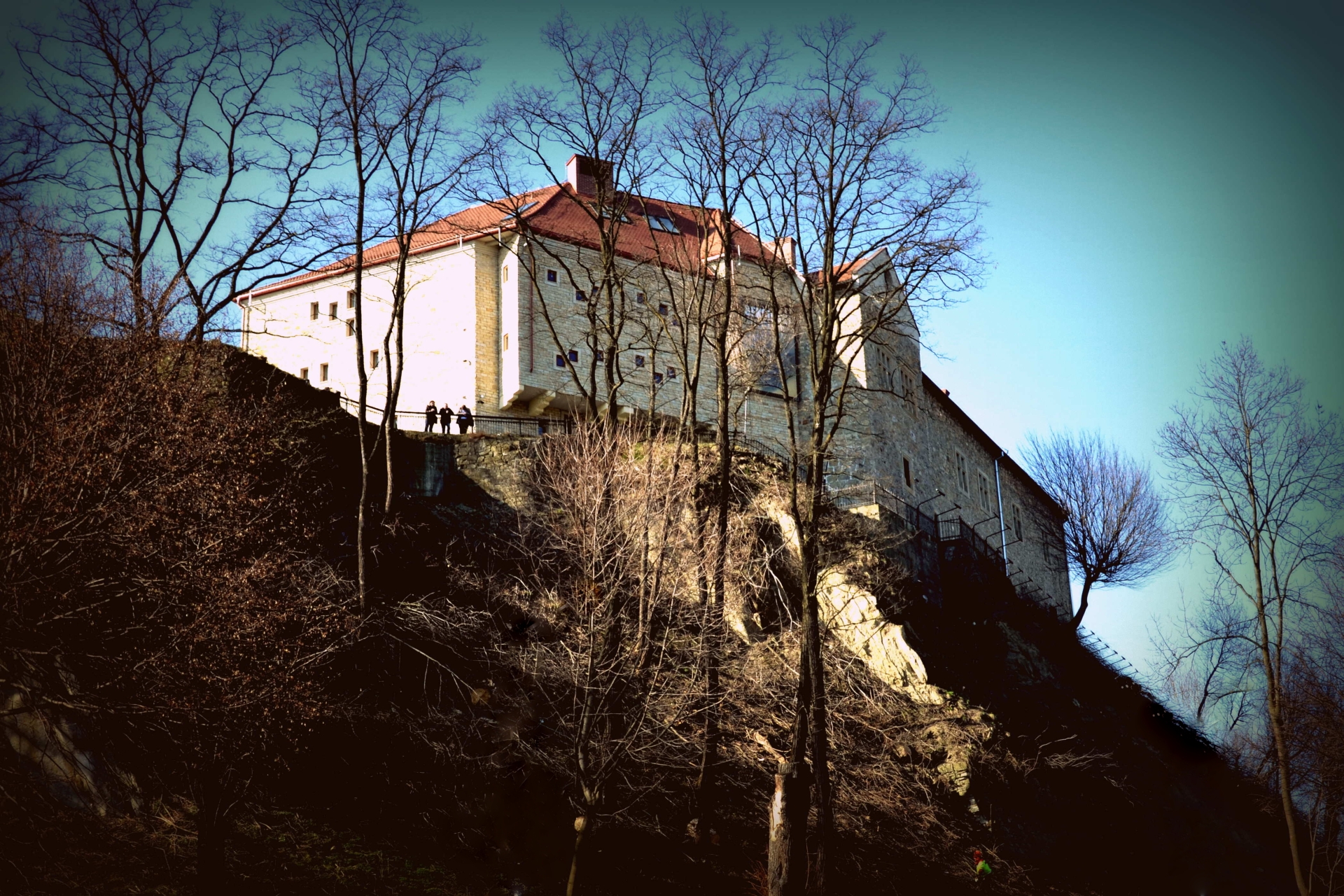
Image credits
- Works by Zdzisław Beksiński (copyrights inherited by Muzeum Historyczne w Sanoku), CC BY-SA 3.0, via Wikimedia Commons: self-portrait, relief, drawing, AA78, untitled 1984, King and Queen, photomontage.
- Beksiński in Sanok, 1991: Piotr Dmochowski, CC BY-SA 3.0.
- The gallery at Sanok Castle: Silar, CC BY-SA 3.0.